


Did you know a legacy gift can help us support future generations of speech and language therapists?
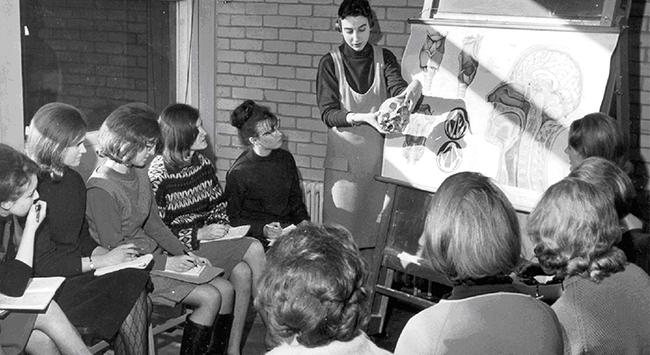
The Royal College of Speech and Language Therapists has come a long way since our formation in 1945. What began with a small group of speech therapists has evolved into a dynamic and innovative profession that reaches into healthcare, education, social care and the justice system.
But what hasn’t changed over the years is our vibrant community of SLTs, and the RCSLT’s support and commitment to our members.
By leaving a legacy to the RCSLT (a charity as well as a membership organisation), you will help us continue to make a positive difference to the speech and language profession and those we support – now and in the future.
Passing the torch from generation to generation
Each generation of speech and language therapists has advanced and enriched the profession, making it what it is today. From the accreditation and professionalisation of training to countless campaigns advocating the benefits of timely and appropriate support for speech, communication and swallowing needs, our members’ work and dedication have shaped the practice and understanding of speech and language therapy across the UK.
Today, our members continue to contribute so much, both to the profession and to the RCSLT
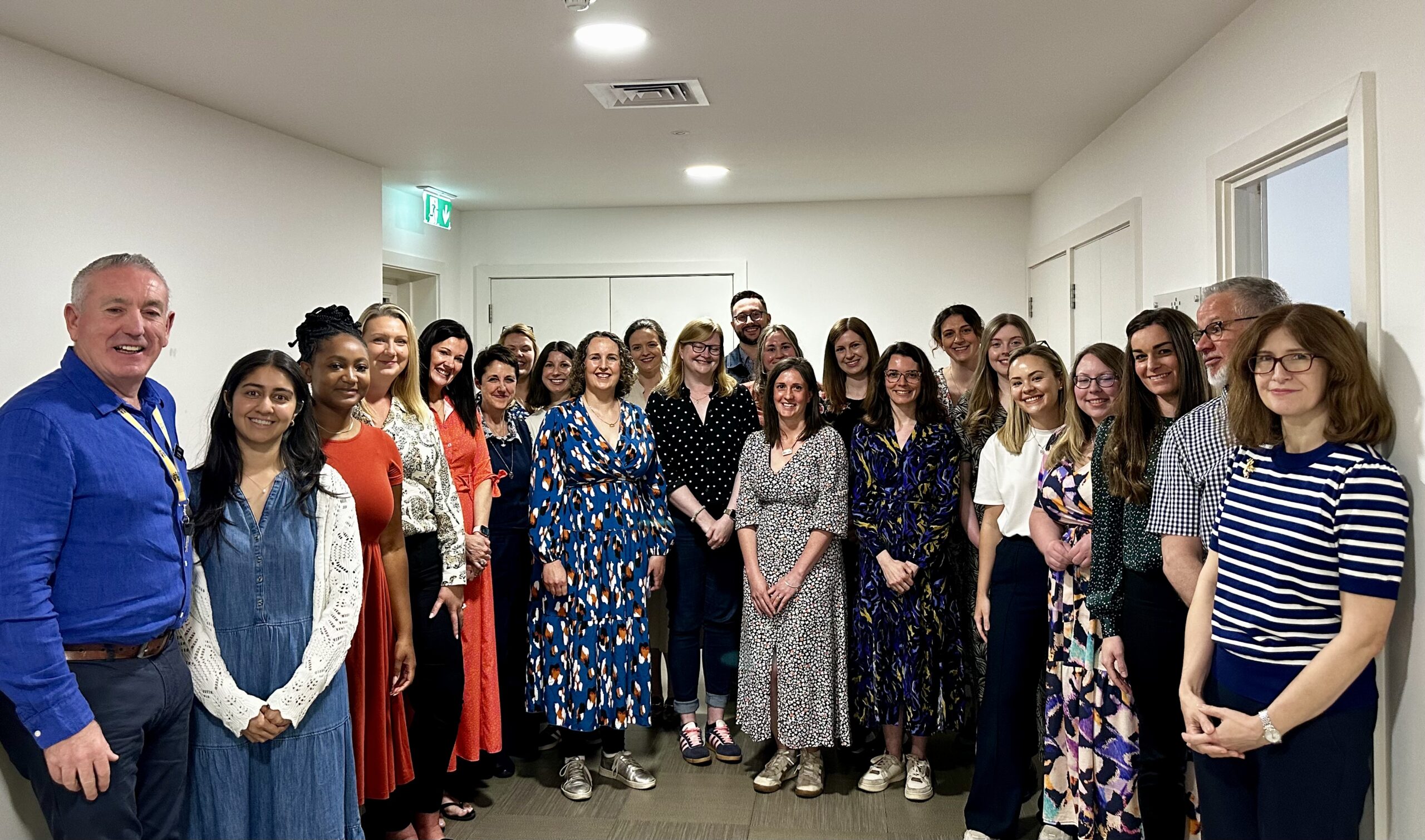
Today, our members continue to contribute so much, both to the profession and to the RCSLT. From authoring clinical guidance and presenting at events to responding to consultations and serving on boards and committees, our work could not be done without you.
Why leave a legacy to the RCSLT?
Leaving a gift in your will to the RCSLT gives us security that we will be able to continue our essential work now and into the future, whether that’s providing practical help and support to members, advocating for SLTs and service users, or championing and promoting the profession.
Whatever the amount, you can be sure that leaving a legacy to the RCSLT means that the work of the speech and language therapy profession will continue to have an impact.
Stories behind the legacies
Over the years, we’ve been fortunate to have received a number of legacies. Sometimes people have left a gift to the RCSLT for us to spend in whichever way we consider most suitable; other times our donors have requested that the money be spent on specific projects. These have included the Enid Wechsler Welfare Fund, which was established to assist members who are in hardship, and the Penny Harrison Fund, which was used to fund bursaries for support workers, newly qualified therapists and students to attend scientific conferences. Another bequest from a member asked for the money to be used to finance work in relation to the criminal justice sector.

Here are some other stories of legacies we received.
Jansson (Memorial) Lectures
An early gift came from Gladys Astrild Jansson (1886-1960), who was one of the early trained UK speech therapists. It was said that she ‘… helped to blaze the trail for later generations … she possessed very considerable knowledge of psychology and allied subjects, gained both from her studies and from observation. Her intellectual ability was of a high order, while at the same time she showed an exceptional degree of insight into her patients’ difficulties.’
On her death, Gladys Jansson left £500 in her will to the then College of Speech Therapists. It was decided that this bequest would be used to fund a series of lectures by eminent speakers. The College hoped that these lectures would ‘…add to the advancement of knowledge in our speciality, and bring our professional field to the notice of a wider public…’. Gladys’s legacy meant that the lectures were able to run biennially from 1962 to 2000. The first lecture on 16 November 1962 was given by Dr W. Grey Walter from the Burden Neurological Institute on brain mechanism and language. In 2000, Professor Richard Wise presented the final lecture on the imaging of word perception.
The Catherine Renfrew Memorial Award
After receiving a legacy gift from Catherine Renfrew’s estate, the RCSLT set up a fund in her honour, creating a biennial award for members. During her lifetime, Catherine made many overseas trips, forging friendships and connections while promoting speech and language therapy. After her death in 2002, her legacy enabled the RCSLT to give opportunities to speech and language therapists to follow in her footsteps and study abroad. Grants were given to a number of speech and language therapists to enable them to attend a course or conference overseas, enhancing their personal career development and making lasting connections around the world.
How do I leave a legacy to the RCSLT?
Drawing up a will is a deeply personal matter and you will naturally want to make sure that your family and those you care about are looked after first. But if you do feel able to leave a gift to the RCSLT, no matter what the amount, you will be helping to ensure that the speech and language therapy profession continues to thrive in the years to come.
… you will be helping to ensure that the speech and language therapy profession continues to thrive in the years to come
There are different ways you can leave a legacy. These are:
- a specific legacy – this is a gift of a particular item. It could be a personal possession (such as a piece of jewellery), or a building, land, or stocks or shares.
- a pecuniary legacy – this is a specified amount of money.
- a residuary legacy – this is a percentage of your estate once any other gifts and administrative expenses etc have been made
It’s important that your wishes are carried out as you intend, so we always recommend that you consult a solicitor when drawing up or amending your will. If you do feel able to leave a gift to the RCSLT, then you will need the following details:
- our registered name: Royal College of Speech and Language Therapists
- our registered address: 2 White Hart Yard, London, SE1 1NX
- our registered charity number: 273724 (England and Wales) and SC041191 (Scotland)
If you have any questions or wish to discuss a possible legacy, please contact info@rcslt.org.
